As part of its ongoing Movement Building initiative, WSCF Asia-Pacific continues to accompany Student Christian Movements across the region through dialogue, mutual learning, and regional solidarity. These regular conversations strengthen leadership, deepen ecumenical relationships, and encourage student movements to faithfully respond to the challenges and opportunities within their local contexts.
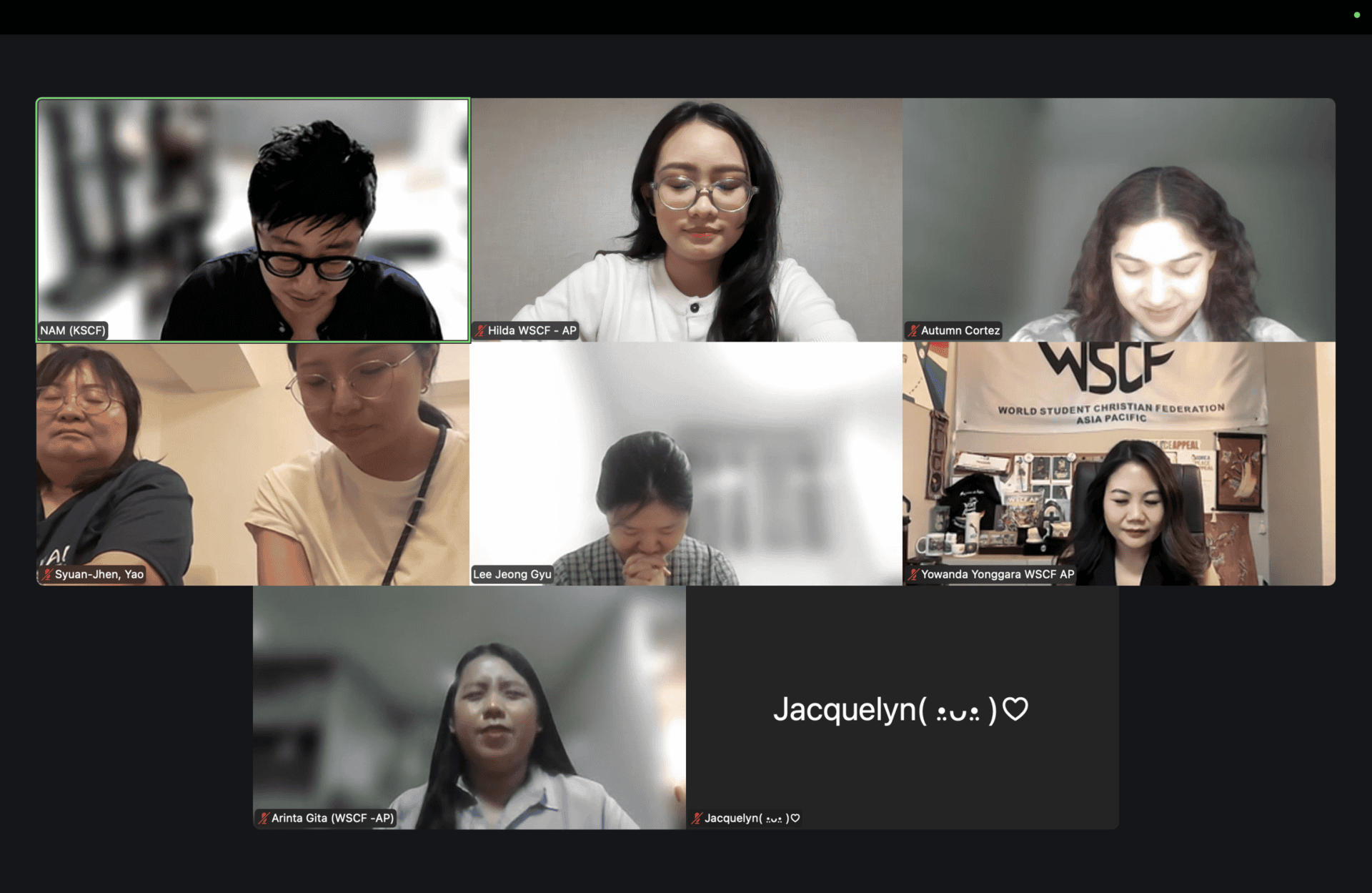
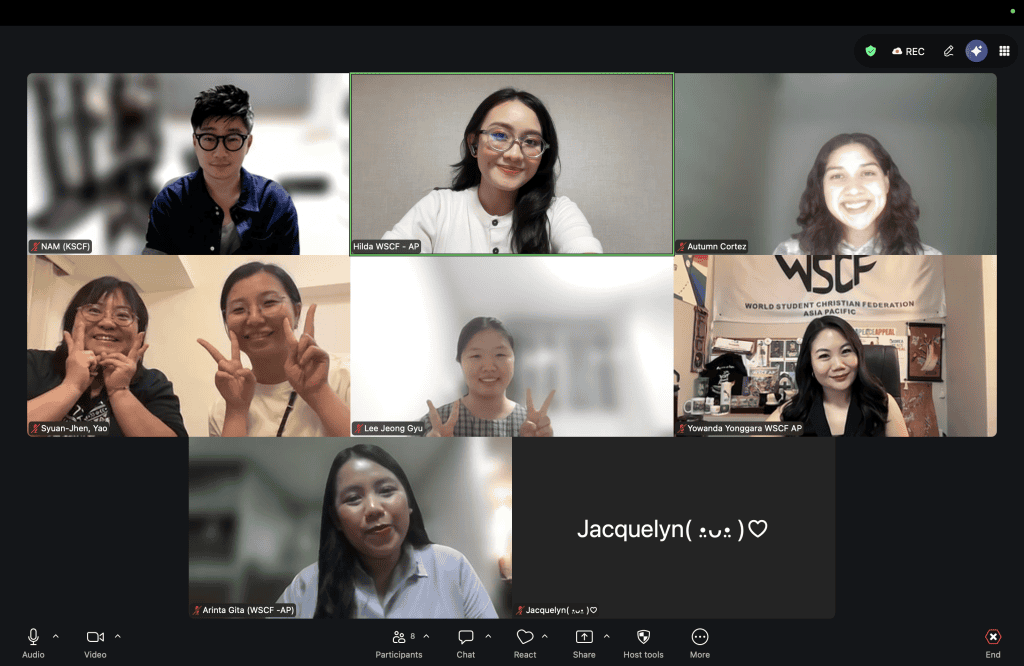
Program Secretary and Movement Building Coordinator, Anastasia Hilda, recently met with representatives of the Korean Student Christian Federation (KSCF), including Nam (General Secretary of KSCF), Lee Jong-gyu (Staff of KSCF), and Autumn, a Young Adult Volunteer (YAV) from the Presbyterian Church (USA). The meeting provided an opportunity to share updates on KSCF’s ministry, reflect on emerging social realities in Korea, and explore continued collaboration within the WSCF fellowship.
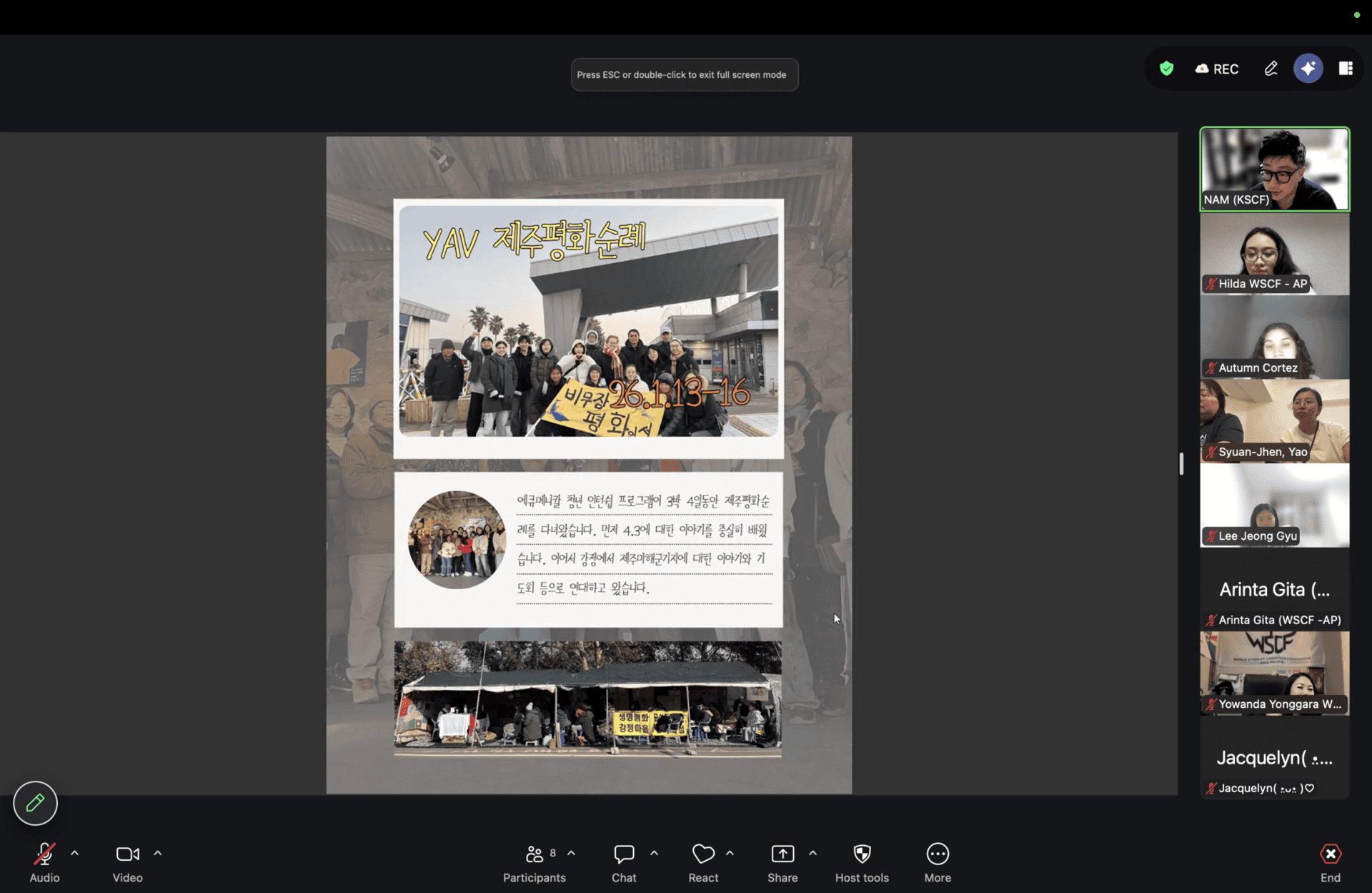
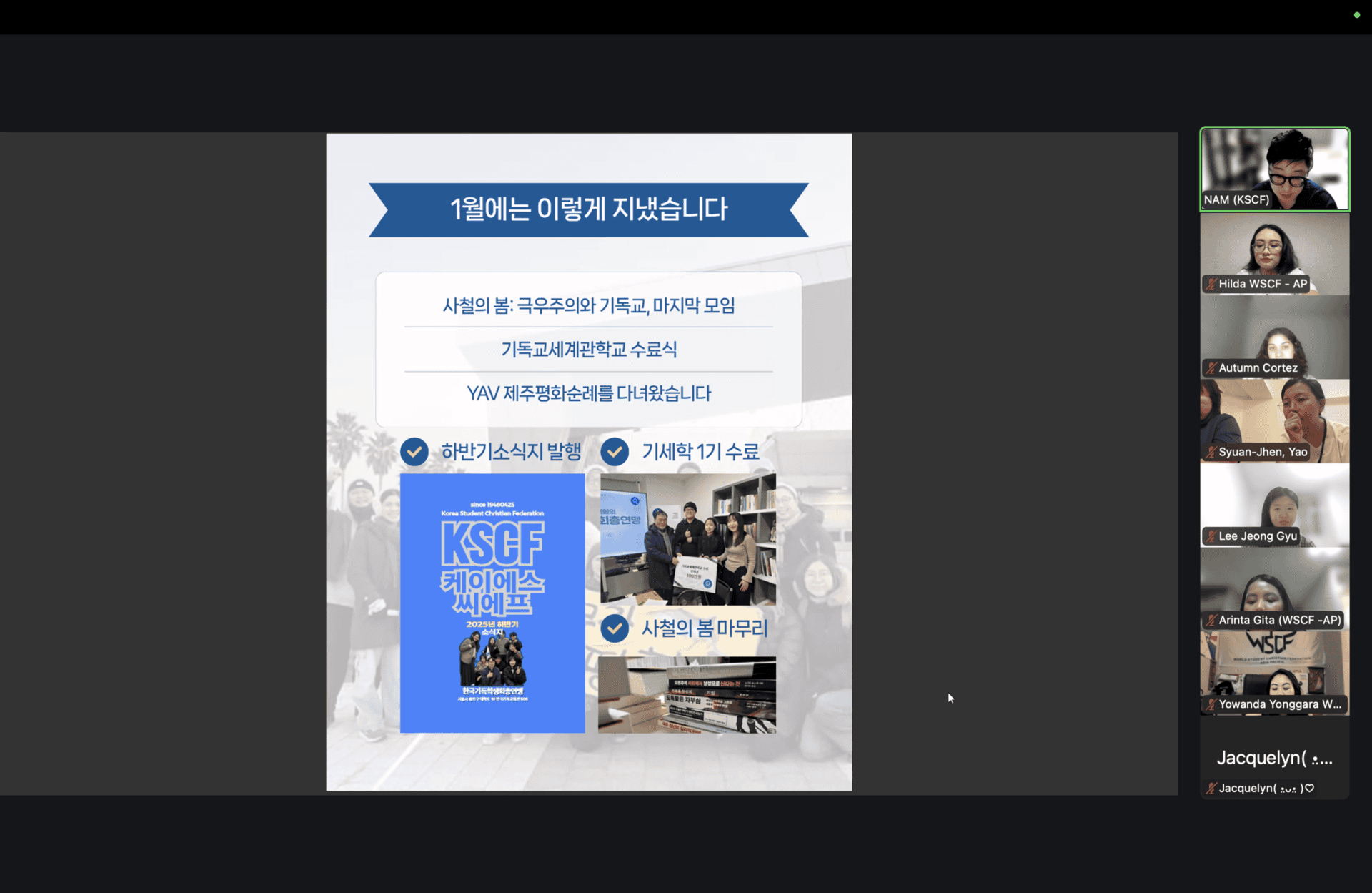
KSCF shared a range of initiatives that continue to nurture students in faith and leadership. Throughout the year, the movement has organized Bible studies, prayer gatherings, book clubs, peace retreats, English conversation sessions, and the Worldwide of Christianity program, which combines theological reflection with scholarships that support students’ learning and leadership development. KSCF also looks forward to its upcoming Peace Camp, bringing together middle and high school students as part of its commitment to inspiring a new generation of young leaders and strengthening the future of the movement.
The conversation highlighted the changing landscape of student ministry in Korea. Like many Student Christian Movements across the region, KSCF has experienced a decline in campus participation over the past two decades, a trend further accelerated by the COVID-19 pandemic. In response, the movement continues to explore creative ways of reconnecting with young people, strengthening campus networks, and cultivating student leadership through meaningful accompaniment and community-building.
Participants also reflected on the growing social polarization within Korean society. KSCF shared its concern over the rise of increasingly divisive narratives and the challenges these pose for churches, students, and civil society. Rather than responding with hostility, KSCF continues to create spaces for thoughtful dialogue, critical reflection, and theological engagement. Recent initiatives, including a book club examining the rise of far-right ideologies, reflect the movement’s commitment to equipping students to engage difficult issues with wisdom, faith, and compassion, even when such efforts invite criticism or misunderstanding.
Beyond responding to immediate social challenges, KSCF remains deeply committed to peacebuilding as an essential expression of Christian witness. Through peace retreats, visits to places of historical memory such as Jeju and Gwangju, and educational programs that encourage reflection on justice and reconciliation, students are invited to understand history, confront injustice, and imagine more peaceful futures. These experiences continue to shape young leaders who are prepared to become agents of reconciliation both within the church and in wider society.
The meeting concluded with discussions on strengthening collaboration between KSCF and WSCF Asia-Pacific through leadership development, regional participation, and continued exchange among Student Christian Movements across the Asia-Pacific region.
WSCF Asia-Pacific also continues to hold Bang Joo Do, former National General Secretary of KSCF, in prayer during his ongoing illness. We pray for God’s healing, strength, and peace to be upon him, and we give thanks for his faithful leadership and lasting contribution to the ecumenical student movement.
Through Movement Building, WSCF Asia-Pacific remains committed to accompanying Student Christian Movements as they nurture courageous leaders, strengthen communities of faith, and bear witness to justice, peace, and hope in their own contexts.