As Chairperson of the World Student Christian Federation Asia-Pacific (WSCF-AP), Robbert John Tulip offers the following reflection on the CCA International Consultation on Ecumenism in Asia:
I represented the World Student Christian Federation at the Christian
Conference of Asia International Consultation on Ecumenism in Asia:
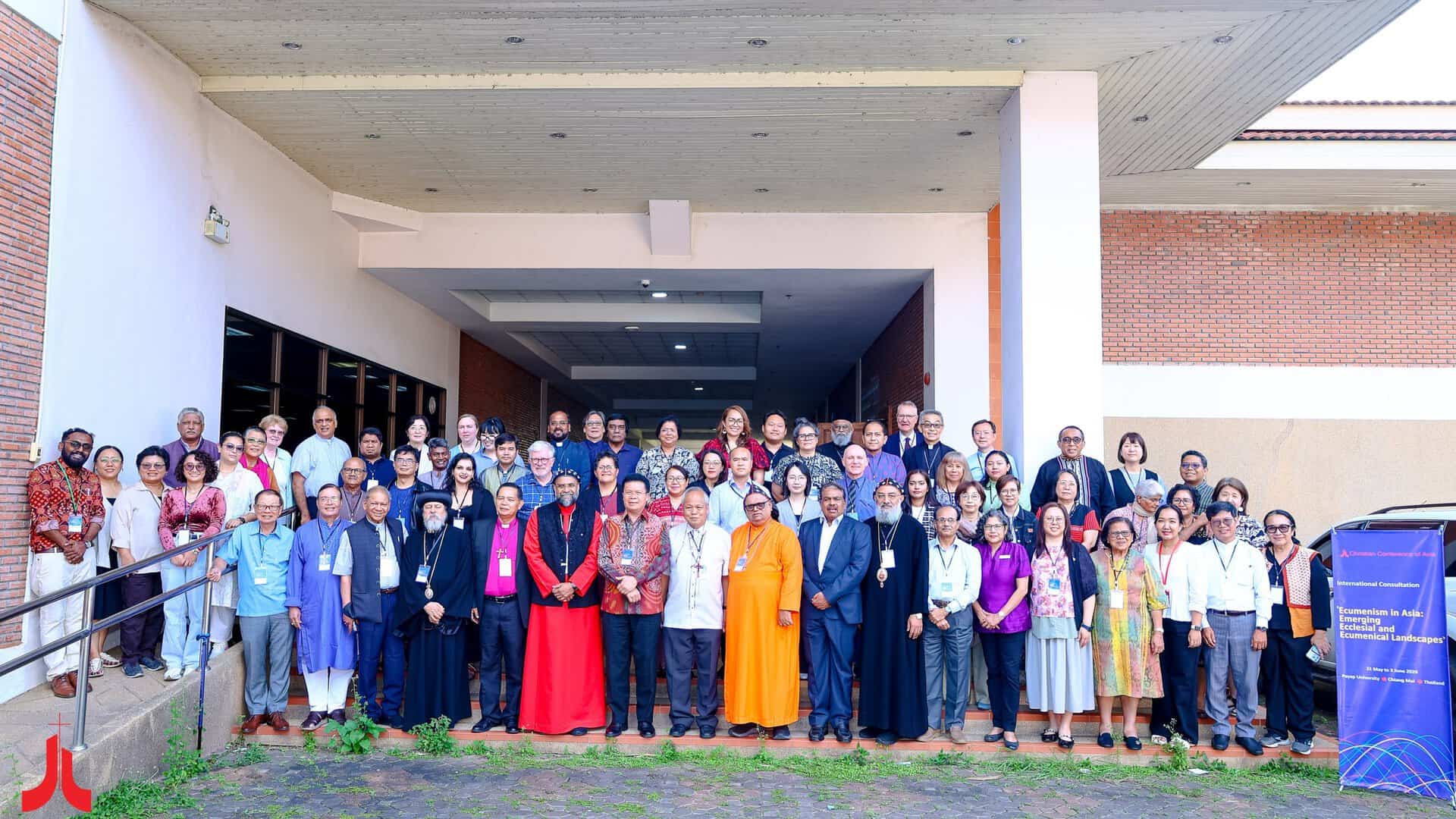
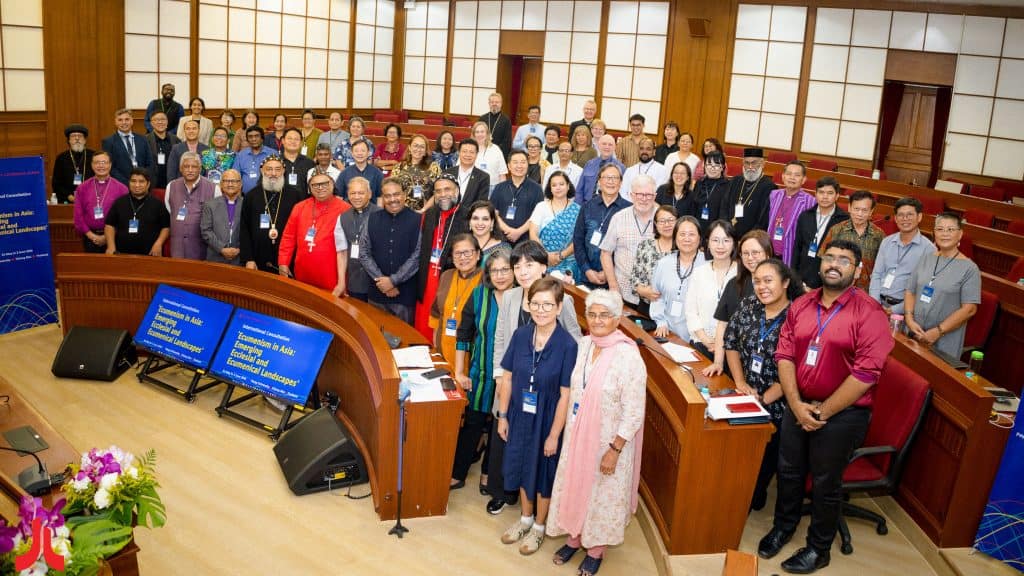
Emerging Ecclesial and Ecumenical Landscapes, held at Payap University in Chiang Mai, Thailand,
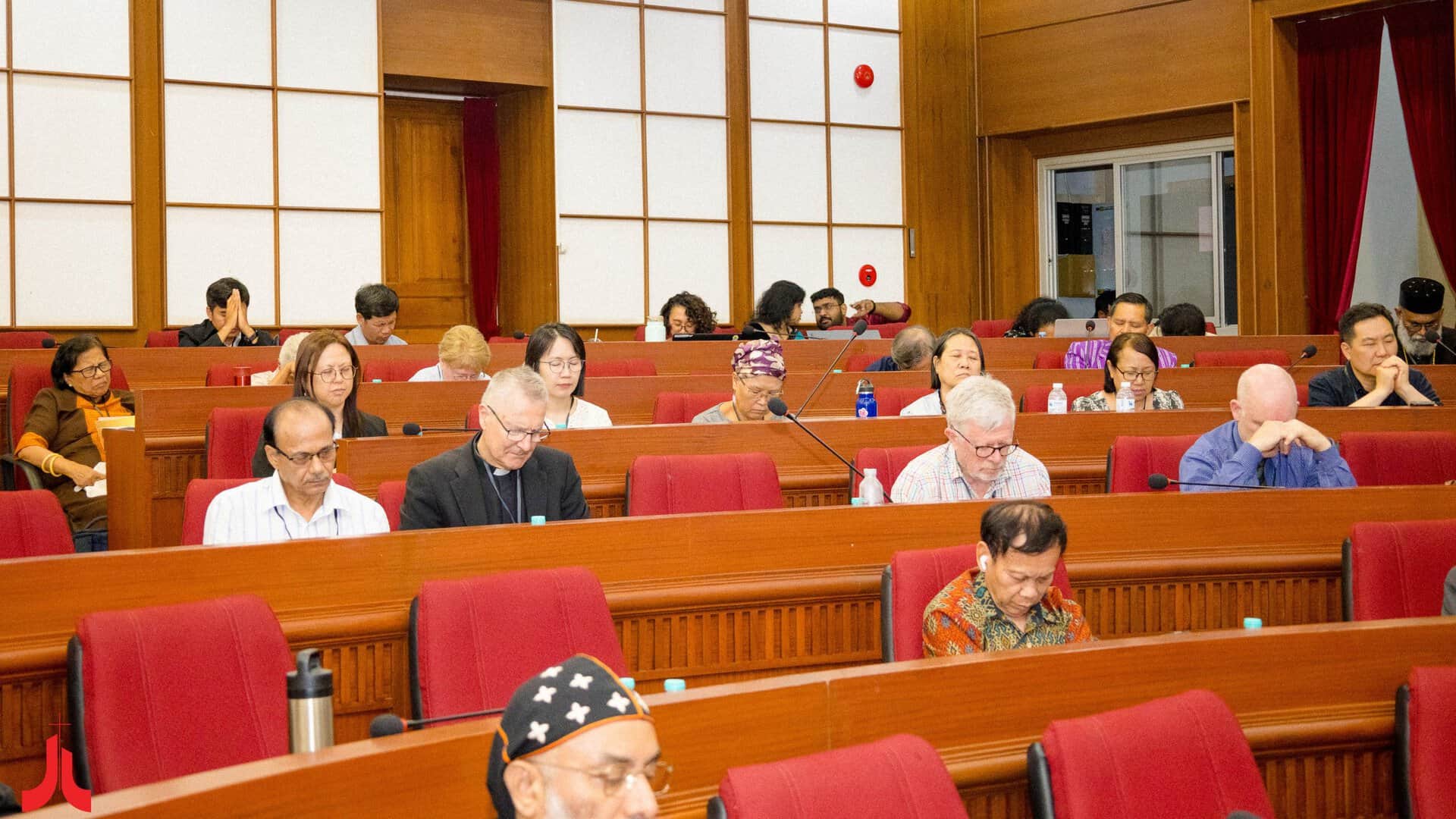
from 1 to 3 June 2026. The consultation brought together more than 70 church and ecumenical
leaders from across Asia and beyond, including representatives of the Federation of Asian Bishops’
Conferences and the Asia Evangelical Alliance. It was convened as part of the lead-up to the
CCA celebration of its seventieth anniversary, its Platinum Jubilee Year in 2027. (CCA) The consultation was highly successful. It created a strong atmosphere of fellowship, serious
theological reflection, and practical ecumenical engagement.
The overall tone was hopeful and constructive, even while participants addressed major challenges facing the churches and societies of Asia. The formal communiqué affirmed Christian unity as a shared calling and encouraged a renewed ecumenical vision rooted in common witness, collaboration, synodal listening, support for human rights and service. This conference statement affirmed how churches have increasingly engaged in a range of ministries to serve people and communities at large, responding to urgent challenges and humanitarian needs during times of crisis. The Chiang Mai statement recognised that churches have stood alongside marginalised communities, advocating for their rights and dignity, human rights, social justice, climate justice, care for creation, peacebuilding, and reconciliation in contexts marked by conflict and oppression, and that through their commitment to a holistic mission and care for creation, church es continue to participate in God & mission to renew all life.
 I was honoured to be part of the drafting team for the communiqué. (CCA) A central theme of the consultation was the rapidly changing ecclesial landscape in Asia. Speakers and the communiqué highlighted the growth of evangelical, Pentecostal charismatic, independent, diaspora, and digital forms of Christian community alongside the historic churches. These developments were presented as signs of vitality and missionary energy, while also raising pressing questions about ecclesial identity, accountability, and participation in the wider fellowship of the churches, noting that some of the newer forms of church lack interest in ecumenism and Christian unity. The consultation repeatedly called for a people-centred and grassroots ecumenism able to move beyond denominational self- interest toward a broader vision of God’s Kingdom. (CCA) Migration and diaspora emerged as another major focus. The consultation explored how Asian diaspora communities are reshaping mission, identity, belonging, and Christian unity. Presenters described diaspora churches as centres of worship, care and witness, and encouraged churches to strengthen ministries of hospitality, advocacy, intercultural engagement and accompaniment. The communiqué likewise called on churches and ecumenical councils to welcome migrant, refugee and diaspora churches into ecumenical fellowship.
(CCA) The relationship between synodality and ecumenism was also given significant attention. Synodality means walking together as the people of God. Archbishop Felix Machado
stressed that synodality and ecumenism belong together as dimensions of the Church’s
shared journey, grounded in baptism and expressed through prayer, listening, dialogue,
reconciliation and common witness. The final communiqué adopted similar language, calling
for a renewed synodal ecumenism that listens carefully, includes widely and discerns
faithfully. (CCA) The consultation demonstrated a strong level of support from Asian churches for the
Christian Conference of Asia and confirmed that the organisation is travelling well in both its
institutional life and its ecumenical and evangelical vision. The breadth and quality of
participation, the thoughtful engagement in the plenary discussions, and the positive spirit of
the gathering all reflected confidence in the CCA as a highly respected and effective regional
instrument of Christian cooperation. Participants showed a clear appreciation for the CCA’s
capacity to convene churches from diverse traditions, to encourage serious reflection on the
changing ecclesial landscape of Asia, and to provide a trusted space for dialogue,
discernment and common witness. The consultation conveyed confidence that the CCA is
entering its next chapter with energy and purpose, building on a strong foundation while
continuing to renew its mission in response to the opportunities and challenges facing the
churches of Asia today.
Discussions highlighted how central the practice of ecumenical dialogue and cooperation is
to the mission of the Christian churches in Asia. Ecumenical encounter at all levels
generates unity of witness and enables practical levels of mutual support in our proclamation
of the vital message of the gospel. Participants affirmed evangelical sharing of faith as a
vital element of Christian mission in Asia, closely linked to discipleship, service and common
witness, grounding our lives in the shared message of salvation in Christ.
Another strong thread was the future shape of the ecumenical movement itself. Speakers
explained that ecumenism is becoming more polycentric, grassroots, relational and action-
oriented, with growing energy coming from Asia, Africa and Latin America. The consultation
named a concern about “ecumenical archipelagos” and parallel structures that weaken
coherence and common witness, and it encouraged stronger links between local, national,
regional, and global expressions of ecumenism.
(CCA) By ‘ecumenical archipelagos’, the consultation meant the growth of isolated church and
mission networks that operate alongside one another without sufficient connection, thereby
weakening the coherence and common witness of the wider ecumenical movement in Asia.
This concern highlights a valuable role for WSCF as a bridge-building movement, able to
connect churches, student communities and ecumenical networks across institutional and
theological boundaries in the service of Christian unity and common mission.
The consultation also placed ecumenism in the context of the wider crises facing Asia. The
communiqué referred to authoritarianism, militarisation, forced migration, poverty, mental
health pressures, shrinking democratic space, ecological degradation and violence across
several parts of the region. In response, participants called for churches to deepen ministries
of accompaniment, advocacy, reconciliation, peacebuilding, interreligious dialogue, and care
for creation. It was heartening to reflect on a theological image shaped by the suffering of the
people of Myanmar: the Pyit Tine Htaung, the Burmese tumbler toy that rises whenever it is
pushed down, seen as a sign of Spirit-given resilience.
(CCA) The transition in CCA leadership from Dr Mathews George Chunakara to Rev. Jung Eun
“Grace” Moon represents both continuity and renewal for the Asian ecumenical movement.
Dr Chunakara completed two terms as General Secretary after leading the CCA since 2015, and he was widely honoured for strengthening the organisation’s institutional capacity, credibility, programme reach, and prophetic witness for justice, peace and reconciliation in Asia. He gave several inspiring addresses to the consultation, including at a dinner to honour his service.
Rev. Moon, elected in November 2025 and installed in June 2026, brings strong continuity
through her long service within the CCA, including fourteen years on staff and earlier
participation in the CCA from her youth. At the same time, her appointment opens a fresh
chapter, with an emphasis on humility, accountability, collaboration and servant leadership
as the CCA responds to changing ecclesial realities across Asia. Overall, the change of
leadership suggests an orderly and hopeful handover in which a respected legacy is being
carried forward by a new generation of ecumenical leadership.
From a WSCF perspective, the consultation was valuable both substantively and relationally.
I was able to meet a number of senior church leaders from around Asia and to mention
WSCF’s plan to hold our global General Assembly in Jakarta next year. These conversations
were well received and helped to raise awareness of WSCF’s continuing role in the Asian
and global ecumenical movement. My discussions included with Rev Moon, Dr Chunakara,
the previous head of CCA Rev. Dr Henriette Hutabarat Lebang of Indonesia, and
representatives from Pakistan, Taiwan, Myanmar, Australia, New Zealand, India,
Bangladesh, Timor Leste and other countries.
The consultation’s strong emphasis on youth participation, leadership formation, grassroots
ecumenism, shared mission, and contextual witness aligns closely with WSCF’s identity and
calling, reflecting the strong historic bonds between WSCF and CCA. The communiqué
explicitly affirmed young people as bearers of fresh vision and resilient hope, and called for
their participation at all levels of church and ecumenical life.
WSCF has significant opportunity to work with CCA to deepen understanding of universities
as an important mission field for the church and as a strategic context for Christian witness,
dialogue, and leadership formation. The understandings of faith that students develop during
their university years can carry wide influence across society as they move into positions of
leadership in churches, professions, public life, and the wider community.
I believe this consultation offers several encouraging implications for WSCF. First, there is
clear space for WSCF to contribute to the renewal of ecumenism in Asia through student
and young adult leadership. Second, the themes of migration, diaspora, digital
transformation and interfaith engagement are highly relevant to our movement and to the
context of many national SCMs. Third, the Jakarta General Assembly can be presented as a
timely opportunity for the global fellowship to strengthen links with Asian churches and
ecumenical partners during a period of significant change and opportunity in the region.
Overall, the consultation was a significant and encouraging gathering. It combined
theological depth, regional analysis, practical concern for the suffering of Asian peoples, and
a strong desire for renewed Christian unity. I am grateful to have represented WSCF at this
event and believe it helped strengthen our visibility, relationships, and future opportunities for
collaboration in Asia and beyond.
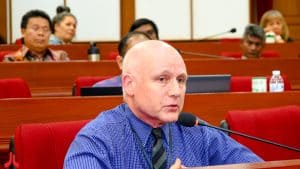
Robbie Tulip
Chair, WSCF Asia Pacific