Signs of the Times, Seeds of Transformation: SELF 2026 in Chiang Mai and Mae Sot
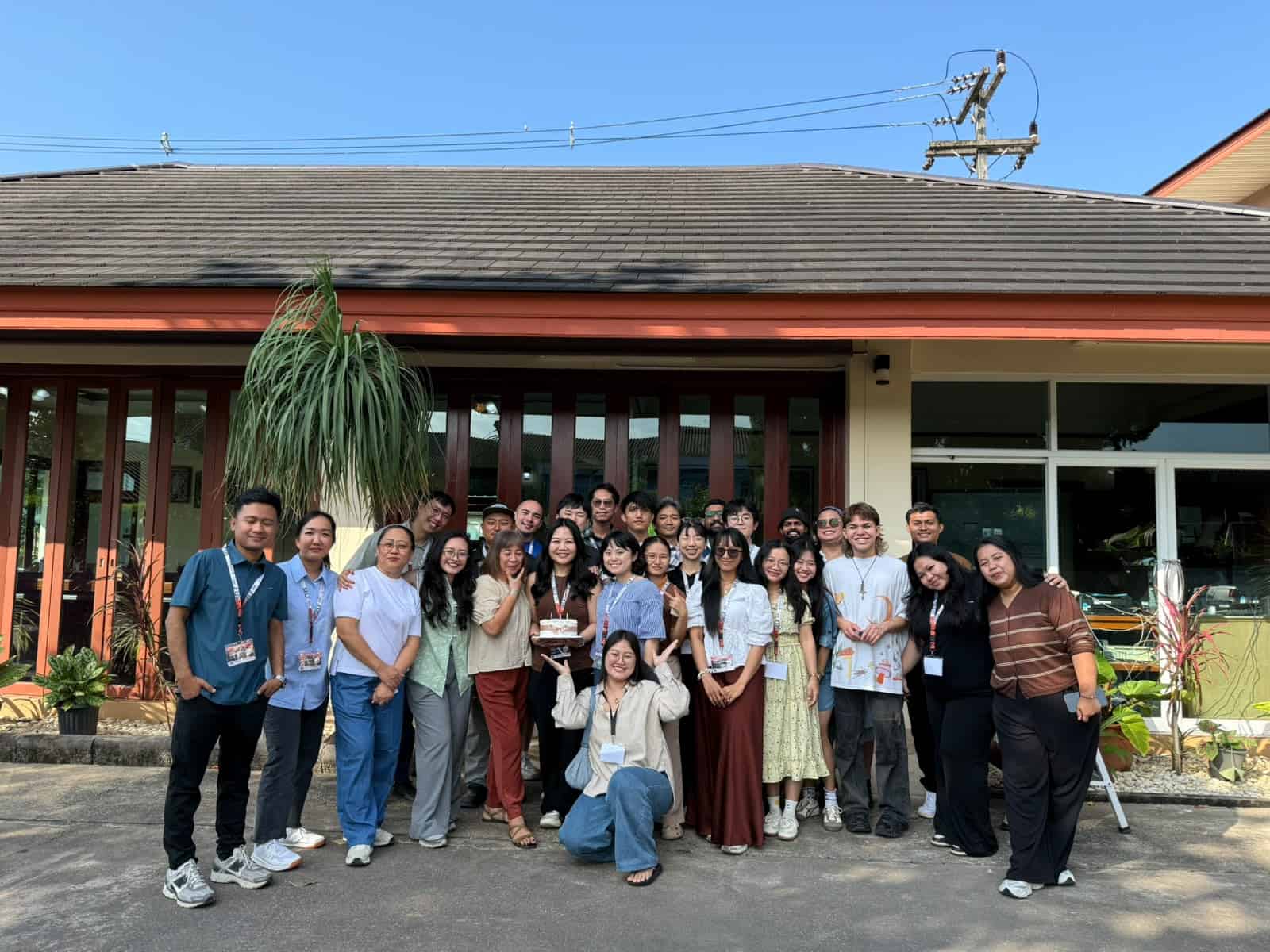
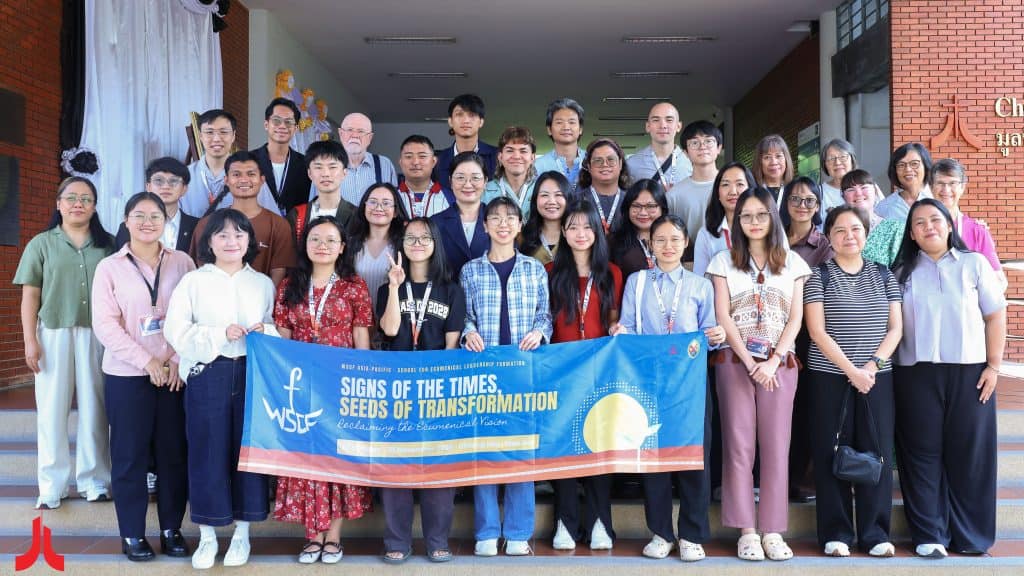
From 26 October to 1 November 2026, young leaders from Student Christian Movements across Asia and the Pacific gathered in Chiang Mai, Thailand, for the School for Ecumenical Leadership Formation (SELF) 2026. Organised by WSCF Asia-Pacific under the theme “Signs of the Times, Seeds of Transformation: Reclaiming the Ecumenical Vision,” the programme brought together participants from Australia, Aotearoa New Zealand, Bangladesh, Hong Kong, India, Indonesia, Japan, Korea, Myanmar, Pakistan, the Philippines, Sri Lanka, Taiwan, Timor-Leste, and the United States for a week of learning, worship, encounter, and reflection on what it means to be faithful witnesses in a wounded region.
SELF has long been one of the Federation’s most important spaces for forming young ecumenical leaders. This year’s programme was shaped around the conviction that leadership is learned not only in classrooms but in listening, in community, and in meeting the people who live with the consequences of injustice. The week moved through a journey of seven movements: Gather, Root, See, Encounter, Read, Commit, and Send. Each day invited participants to go a step deeper, from building community and grounding themselves in the ecumenical tradition, to reading the realities of the region, encountering communities at the border, and discerning together how to carry what they had learned back to their own movements.
The programme opened with worship at the headquarters of the Christian Conference of Asia in Chiang Mai, followed by an opening address by Rev. Prof. Dr. Pradit Takerngrangsarit. Throughout the week, participants learned from resource persons and companions in the ecumenical movement, including Prof. Wong Wai Ching, Dr. Rey Ty of Payap University, Dr. Mon Mon Myat, and Rev. Jung Eun Moon of the Christian Conference of Asia. Their sessions helped participants connect the ecumenical vision with the urgent questions facing the region today, including statelessness, forced migration, human trafficking, militarisation, and the misuse of faith to justify oppression.
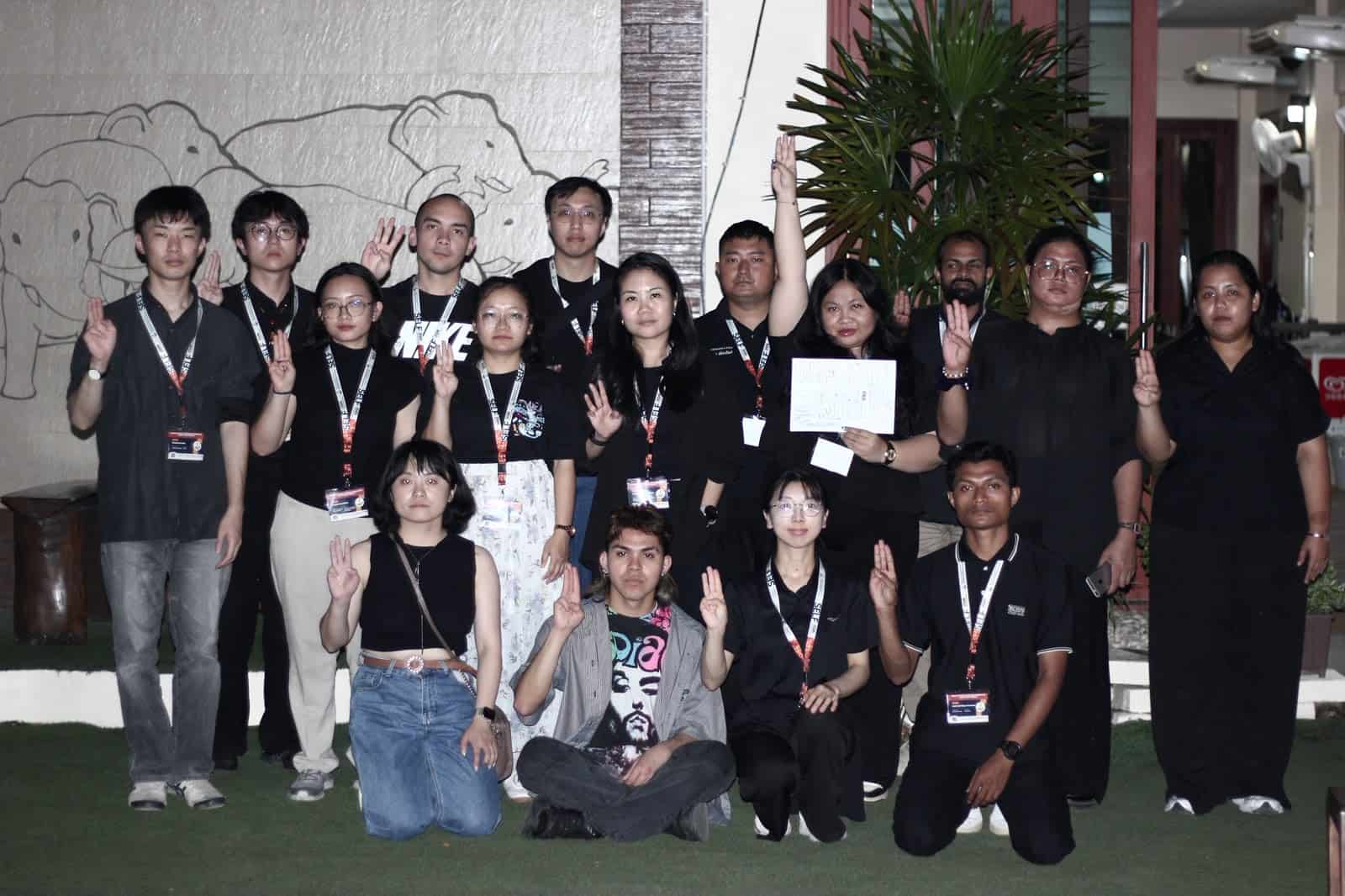
At the heart of SELF 2026 was a two-day visit to Mae Sot on the Thailand–Myanmar border on 29 and 30 October. Hosted by local partners, participants visited a refugee camp in Mae Sot, shared a Solidarity Night with Karen theological students, joined a community in morning prayer, and listened to those who accompany people affected by trafficking and displacement. For many participants, these encounters turned issues they had only read about into faces, names, and stories of resilience. The visit was approached with care and respect for the communities, so that participants came as guests and learners rather than observers.
Life together was also an important part of the programme. Participants lived the week in home groups, with each group taking turns to lead the day as the “Group of the Day,” preparing worship, reflections, and shared moments. A communiqué team worked throughout the week to draft a statement on behalf of the cohort, giving participants ownership of the message they wished to send to their movements and to the wider ecumenical family. Senior Friends of the Federation also joined the gathering, offering memory, encouragement, and a living reminder of the generations of students who have walked this path before.
As the programme came to a close on 1 November, participants committed themselves to carrying the seeds of this week into their own contexts. For the first time, SELF also introduced an alumni pairing, through which participants accompany one another after returning home and share their reflections in the weeks that follow, so that the formation begun in Chiang Mai can continue to grow.
WSCF Asia-Pacific is deeply grateful to all the participants, resource persons, local hosts, Senior Friends, and partners who made SELF 2026 possible. In a time when the signs of the times often speak of division and despair, the young people gathered in Chiang Mai and Mae Sot bore witness that seeds of transformation are already being sown, and that the ecumenical vision remains alive in a new generation.