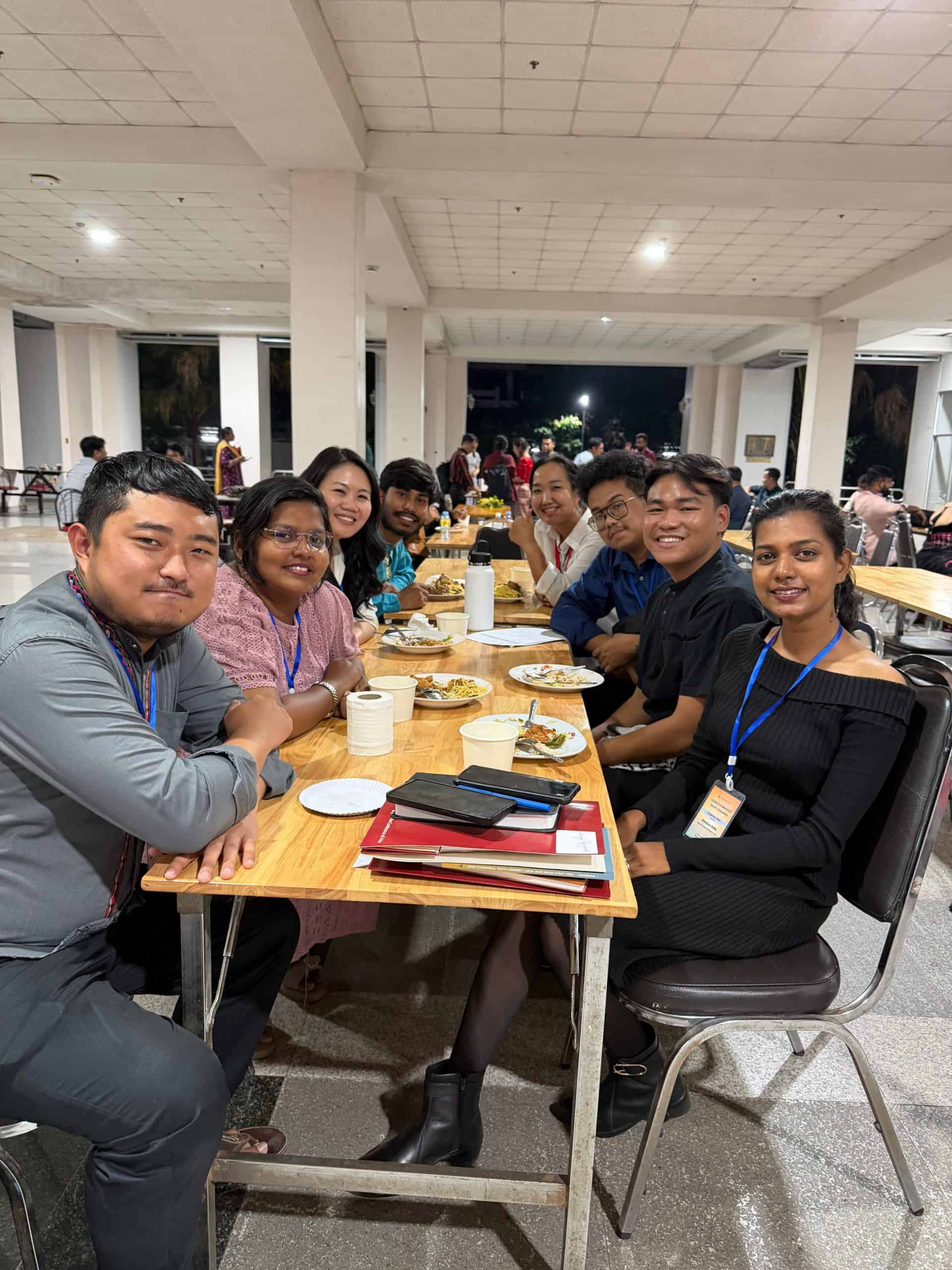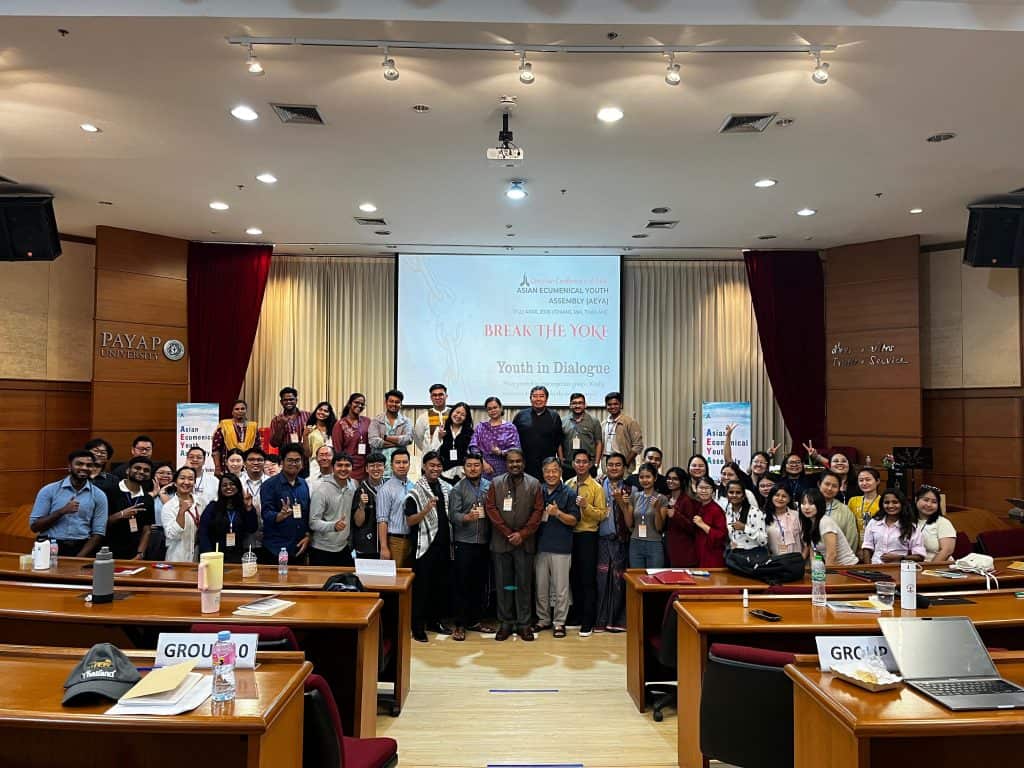
The Asian Ecumenical Youth Assembly (AEYA) 2026, held under the theme “Break Every Yoke” (Isaiah 58:6) and organized by the Christian Conference of Asia (CCA), brought together young ecumenical leaders, students, and advocates from across the region to reflect on some of the most pressing challenges facing Asia today. The assembly provided a transformative space for young people to explore the relationship between faith, human rights, justice, dignity, and peace.
Throughout the assembly, participants engaged in worship, Bible study, interactive workshops, and collective dialogue that encouraged critical reflection on the realities of oppression, inequality, exclusion, and violence that continue to affect communities across Asia. The gathering served as a platform for learning, solidarity, and mutual encouragement, empowering young people to connect their faith with concrete action for social transformation.
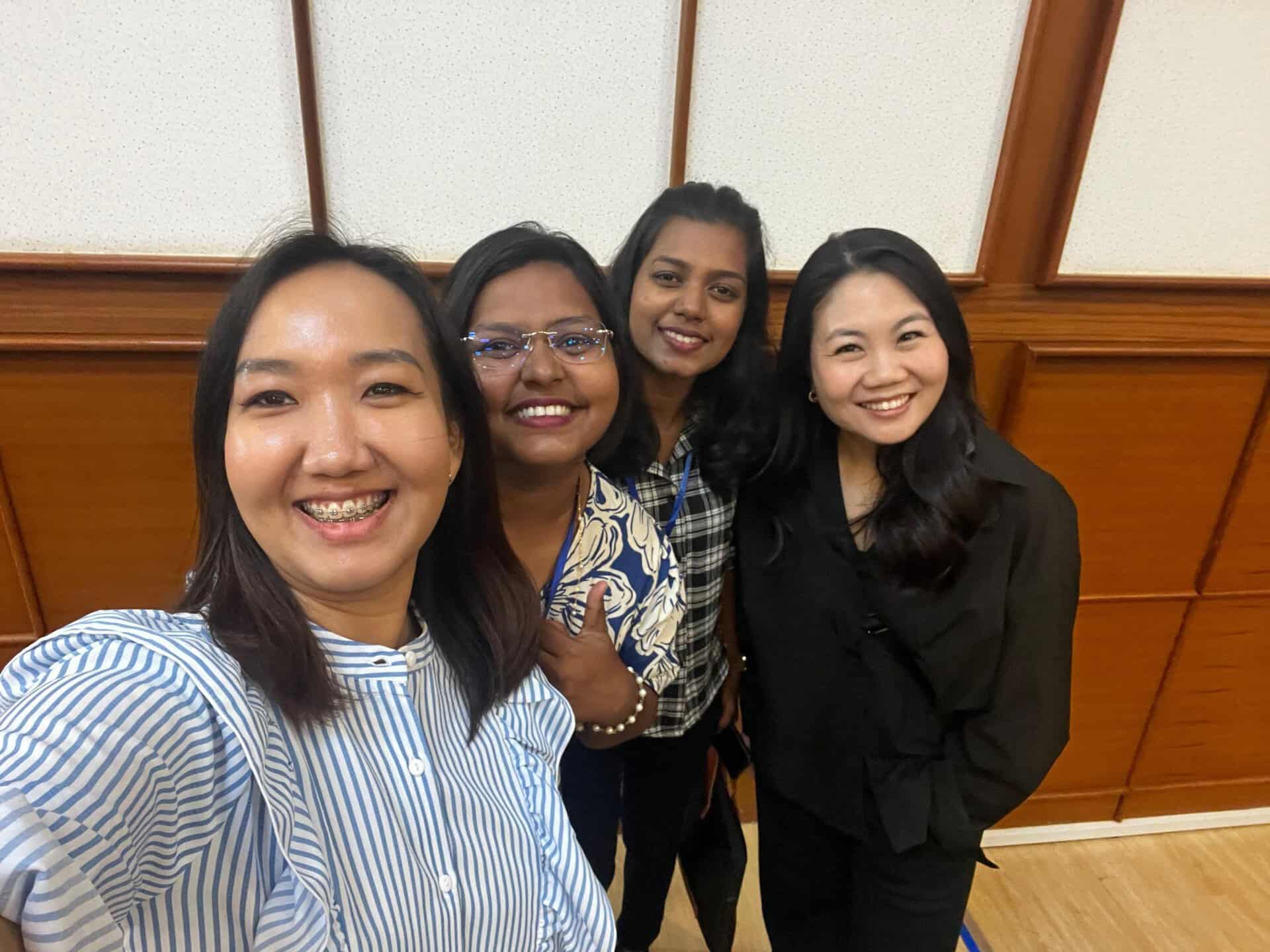
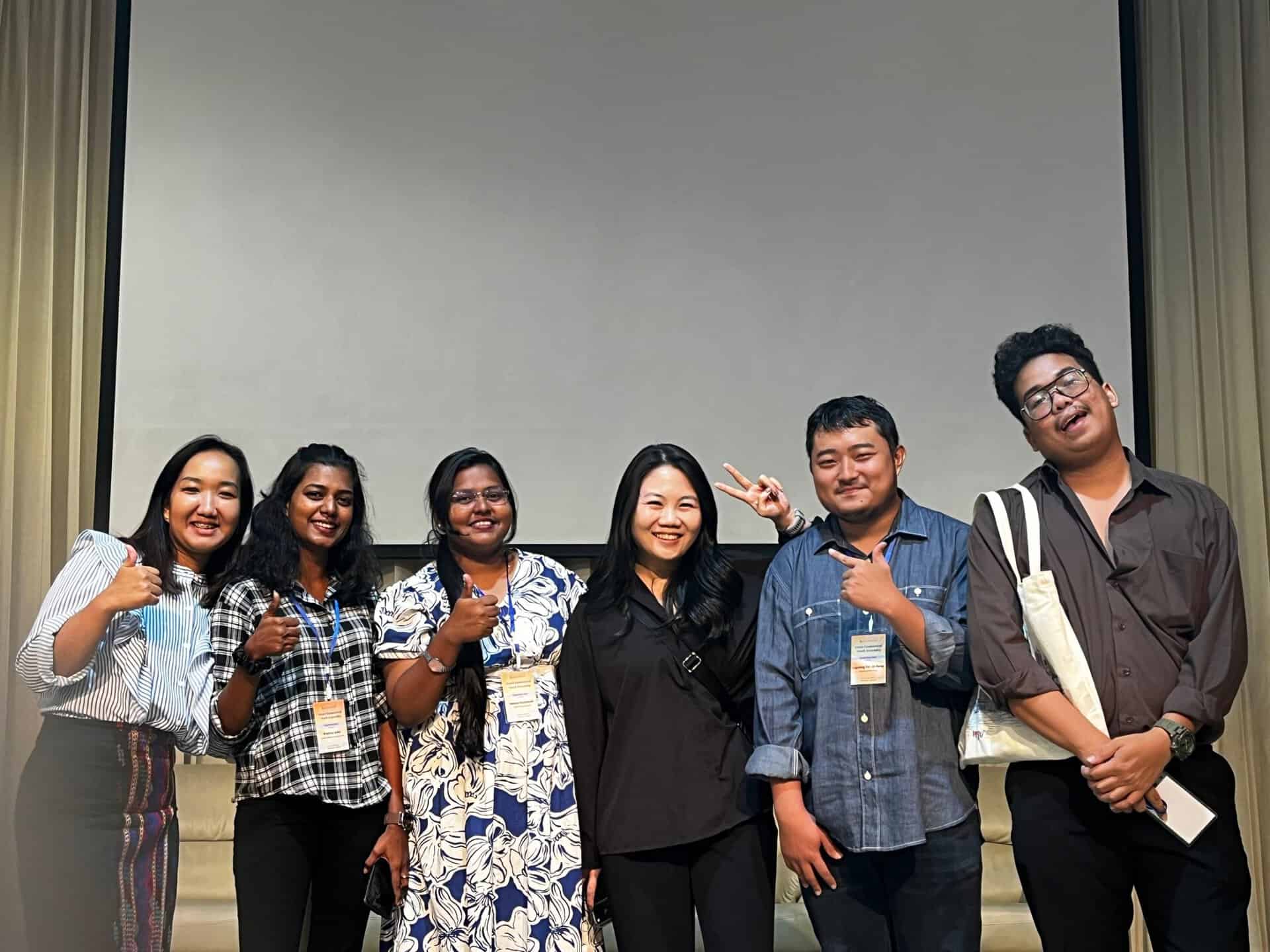
WSCF Asia-Pacific (WSCF-AP) was honored to support the participation of Student Christian Movement (SCM) representatives from across the region, including Tondi Damanik (SCM Indonesia), Iswarya Rajinikanth and Vinolina Anbu (SCM India), and Joseph Rizal Mariano (SCM Philippines). Their participation reflected the ongoing commitment of the ecumenical student movement to advancing human dignity, justice, and inclusive communities throughout Asia.
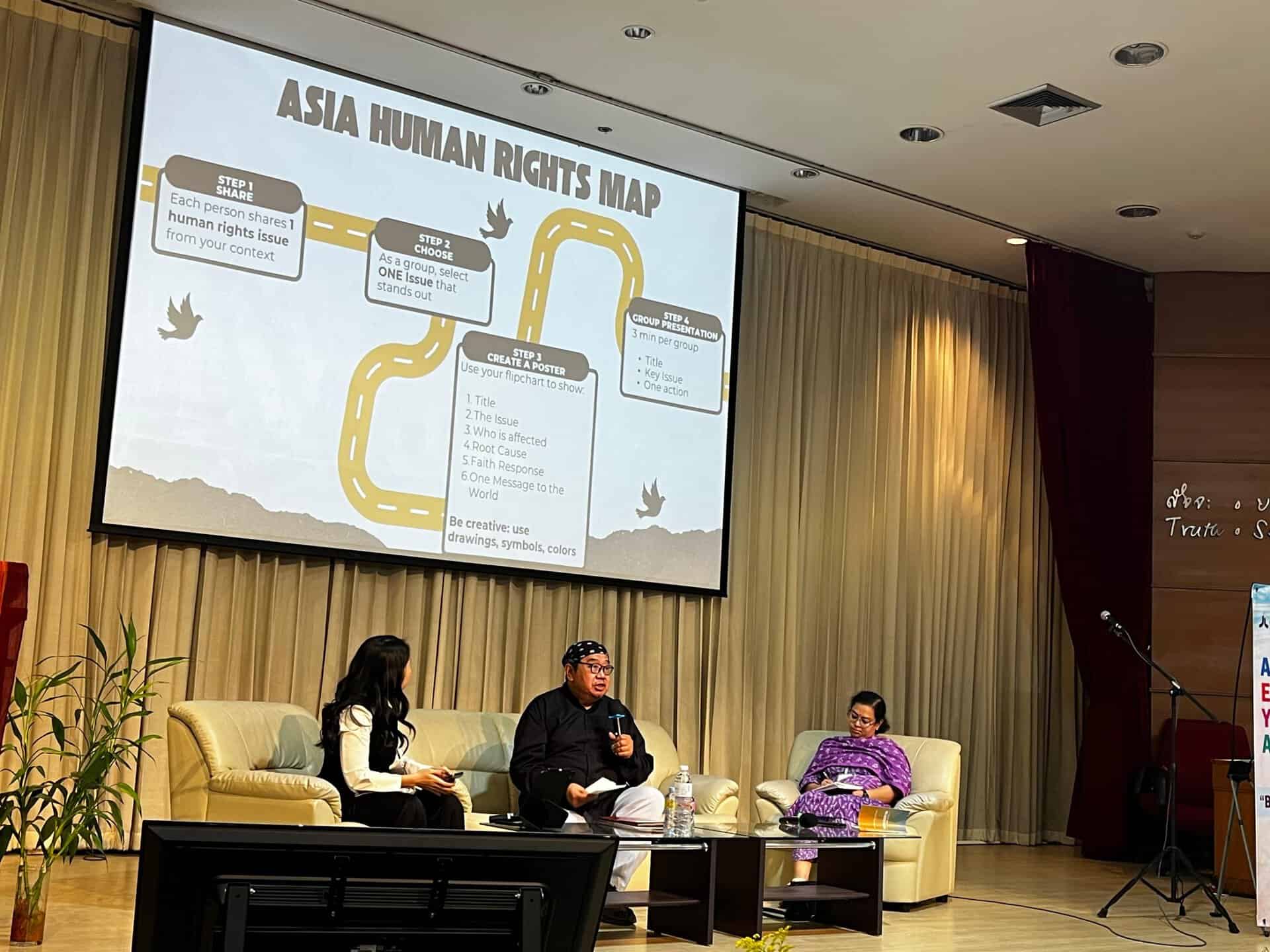
One of the key facilitators of the assembly, Yowanda Yonggara, “Regional Executive and Global Programme Director of WSCF Asia-Pacific” guided participants through a series of sessions on Human Rights. Drawing from both faith-based and human rights perspectives, she invited young people to critically engage with the values of dignity, freedom, meaningful participation, and justice, emphasizing that these are not only fundamental human rights but also essential foundations for building peaceful and inclusive societies.
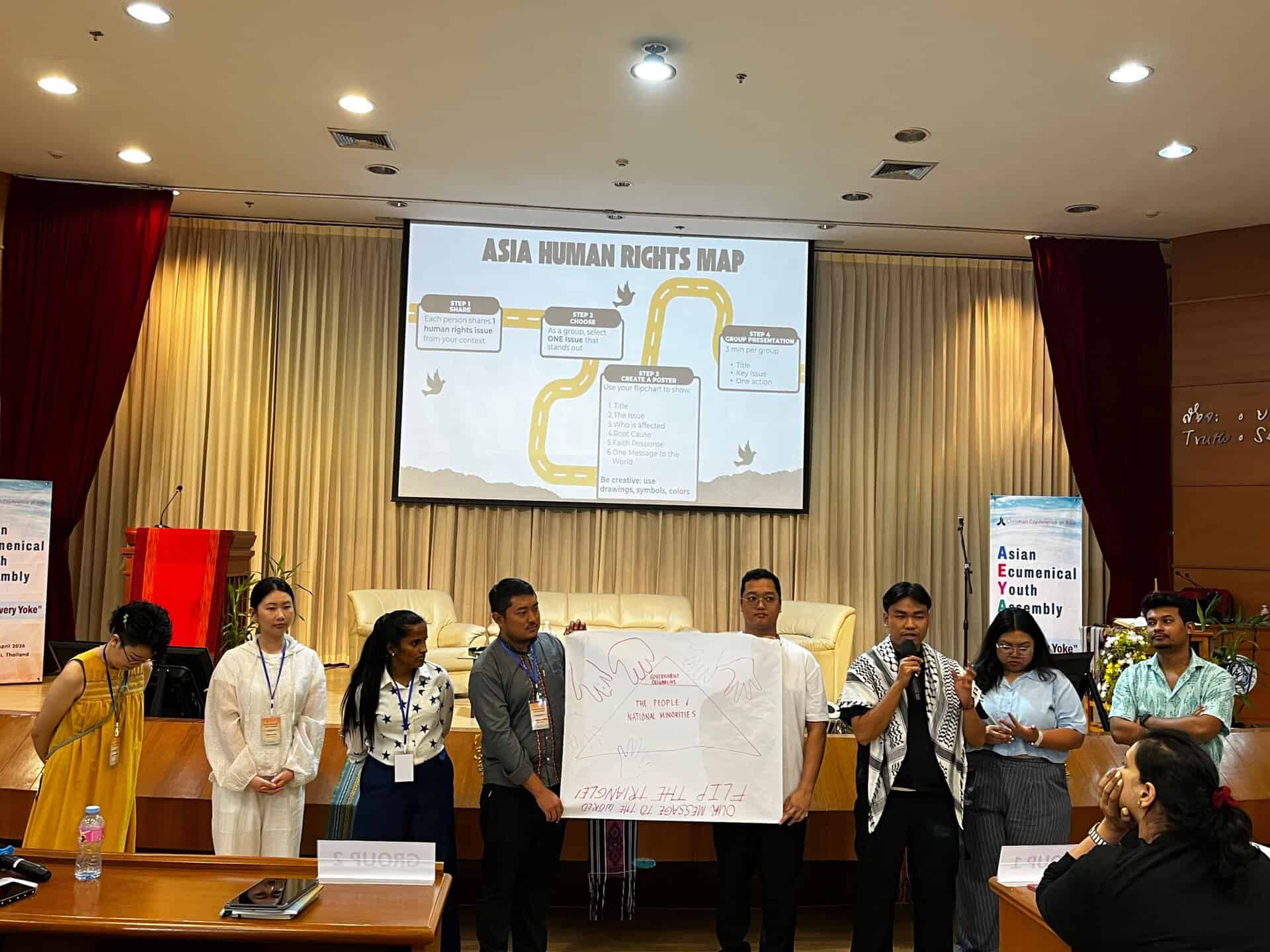
The discussions addressed a wide range of urgent concerns affecting the region, including corruption, authoritarianism and fascism, economic inequality, migration, gender injustice, and the growing impact of unethical digital developments and artificial intelligence on vulnerable communities. Participants also worked in thematic groups examining issues such as state oppression, patriarchy, unjust social structures, freedom of expression, and the enduring consequences of corruption and colonization.
Through these conversations, participants affirmed the vital role of churches and faith communities as spaces of protection, education, advocacy, and prophetic witness. They emphasized the need for Christian communities to stand alongside marginalized people, challenge systems of injustice, and actively contribute to building societies rooted in dignity, equality, and peace.
AEYA 2026 concluded, participants returned to their local contexts carrying renewed hope, strengthened regional solidarity, and a deeper commitment to embodying their faith through advocacy, service, and collective action. The conversations, relationships, and commitments that emerged from AEYA 2026 serve as a powerful reminder that young people are not merely the future of the Church and society they are already leading transformative change in the present.
AEYA 2026 reminded us that peace cannot exist without justice, and that faith must move beyond words into courageous action.